
A Door Finally Opens
For the first time since organ transplantation began in India, an insurance company has stepped forward to offer medical insurance policies to transplant recipients.
For years, we have been labelled “high risk”—a category that quietly but firmly shut the door on us. No matter how stable, healthy, or compliant we were post-transplant, insurers routinely declined our applications. The reason most often cited was a “lack of data.” Even when recipients submitted detailed medical reports proving good health, the answer remained unchanged: rejection, justified under underwriting guidelines. And that recognition changes everything.
 A Personal Struggle, A Collective Reality
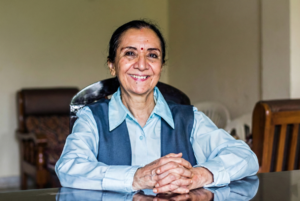
After my heart transplant in 2018, I experienced this firsthand. I was healthy, free from the debilitating symptoms of heart failure—breathlessness, fluid retention, lung congestion, sleeplessness—and no longer dependent on a heavy regimen of medication. Yet, despite this recovery, I was denied insurance.
I was fortunate to receive a modest policy of ₹5 lakh, granted under special discretion by a CEO who happened to be a surgeon and understood the medical realities. But others I referred were offered policies only with the condition that any cardiac ailment would be treated as a permanent pre-existing disease (PED). This effectively defeated the purpose of insurance.
We knew these practices were inconsistent with regulatory intent, but insurers exercised their right to deny, and they did so consistently.
Knocking on Closed Doors
Over the years, many of us approached regulators and government bodies, including repeated representations to the insurance regulator. Silence was the usual response.
Recently, however, a collective representation by 42 transplant recipients, donors and leading transplant surgeons to the regulator’s chairman led to a formal communication stating that both recipients and donors are eligible for insurance, and unconditionally.
Yet, even this made little impact. Insurance companies remained unmoved. Public exposure through media and press also failed to shift their stance.
A Breakthrough Worth Noting
In our continued search for solutions, we came across Narayana Health Insurance—an initiative built on the vision of making healthcare accessible and affordable.
What followed was unexpected.
Our applications were initially dismissed by the underwriters. What changed the course was a firm protest and a direct appeal to Dr. Devi Prasad Shetty. It led to an intervention from the Head of the Grievance Team, Dr. Ramgopalan, who committed to a serious re-examination.
What followed was not a token response, but a decisive shift. Policies were opened to transplant recipients, and, importantly, applicants were allowed to submit medical reports from their own locations—removing the burden of travelling to designated centres.
From that point, something fundamental changed. Policies began to be issued—fairly, transparently, and at reasonable premiums. For the first time, transplant recipients were assessed for what they are today: medically stable individuals, not prisoners of a past diagnosis.
A Model That Challenges the System
This development is not just about one company offering policies. It challenges a long-standing narrative within the insurance industry—that covering transplant recipients is unviable.
Narayana Health Insurance has demonstrated that it is possible to design inclusive policies without compromising sustainability. They have operationalised what regulators have long advocated: fair access, non-discrimination, and transparency.
With access to a wide hospital network and a streamlined process through third-party administrators, they have shown that inclusion is not only ethical—it is practical.
The Road Ahead
Despite this breakthrough, most insurers continue to operate within guarded frameworks, with opaque pricing and restrictive underwriting that exclude deserving individuals.
We will not stop advocating.
Insurance is not a privilege—it is a necessity, especially for those who have already fought life-threatening illness. The right to financial protection after survival should not depend on exception or discretion.
A Moment of Hope
For the transplant community, this is a moment of validation and hope.
For the first time, we are being treated not as liabilities, but as individuals who have recovered, rebuilt, and resumed life.
The country’s twenty thousand organ transplant recipients can finally hope to secure medical insurance in their own right—no longer as exceptions, but with dignity and their heads held high. And that recognition changes everything.
Thanks to our strong support group.
– Viney Kripal