
Long-term transplant life is not about miracles or bravery—but discipline, early medical care, and unwavering trust in science, as Preeti’s journey shows.
Hi Friends,
Long-term transplant survival is not luck or heroism—it is the result of disciplined adherence to medical care, early response to warning signs, and trust in science, combined with a full but thoughtful life.
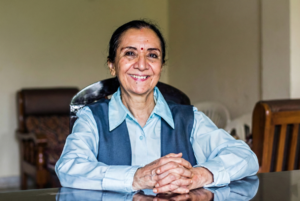 This January, we all celebrated Preeti’s life—the life of a woman who quietly completed 25 years after her heart transplant on 23rd . A quarter century. Let that sink in.
Her journey was not smooth or miraculous. There were setbacks—minor rejections, fluctuations, anxious moments that every transplant recipient knows too well. But each time, she came through with timely medication, medical follow-up, and something equally powerful: a steely belief. “If I go to the hospital, the doctors will treat me and make me better.”
That confidence—calm, rational, and deeply trusting of medicine—is something she carried, and something we should all learn from.
Preeti’s life is not an exception—it is evidence. Evidence that long-term survival after transplant is built on discipline, early medical attention, and sustained trust in science, not on denial, shortcuts, or bravado.
Every organ recipient can draw lessons from Preeti on how to look after themselves and their graft. The rule is simple but non-negotiable: you have to listen to your body early. The minute you notice unexplained fatigue, a lingering cold, swelling, a fall in your SpO₂, breathlessness, or when your lab values begin to misbehave, whether creatinine, uric acid, or drug levels running too low or too high, you don’t wait, you don’t self-diagnose, and you don’t postpone. You get your tests done and meet your doctor at the earliest.
By now, many of you would have read the interviews with transplant physicians in New Life. New Beginnings. If you haven’t, I urge you to do so. They offer rare, unsanitised advice. The country’s senior-most transplant specialists speak candidly about heart, lung, liver, and kidney transplantation—and, more importantly, about life after transplant.
Their message is consistent and firm: do not deviate from the prescribed protocol. Get tested regularly. Eat home food. Avoid alcohol. Do not experiment. You have not become invincible. God has given you one renewed life; it is your responsibility to protect it. Please absorb, and repeatedly revisit, the advice and warnings given by these doctors. They also show how deeply invested they are, not only in saving lives but in enabling recipients live longer and better-quality lives, guiding patients even on WhatsApp and in person.
Preeti exemplifies the balance between caution and joy. She lived wisely, but she also lived fully. She participated in transplant games. She travelled. She visited religious places—but thoughtfully. When I asked her about high altitudes, she smiled and said she didn’t climb to 11,000 feet; she went up by car. That’s not fear. That’s intelligence.
Living with a donor organ does not make you a tapasvi or a saint. But it does teach you a better way to live—a life less loaded with oil, masala, fried food, and careless indulgence. A life that may be restrained, but is undeniably healthier.
Life after transplant teaches us far more than resilience. It teaches seriousness of purpose, discipline, focus, gratitude, and respect for limits. But these virtues only translate into longevity when we act on them: by seeking care early, following medical advice faithfully, and staying honest with ourselves.
Preeti hasn’t just survived 25 years.
She has earned them.
And that is both a caution, and a promise, for all of us.